

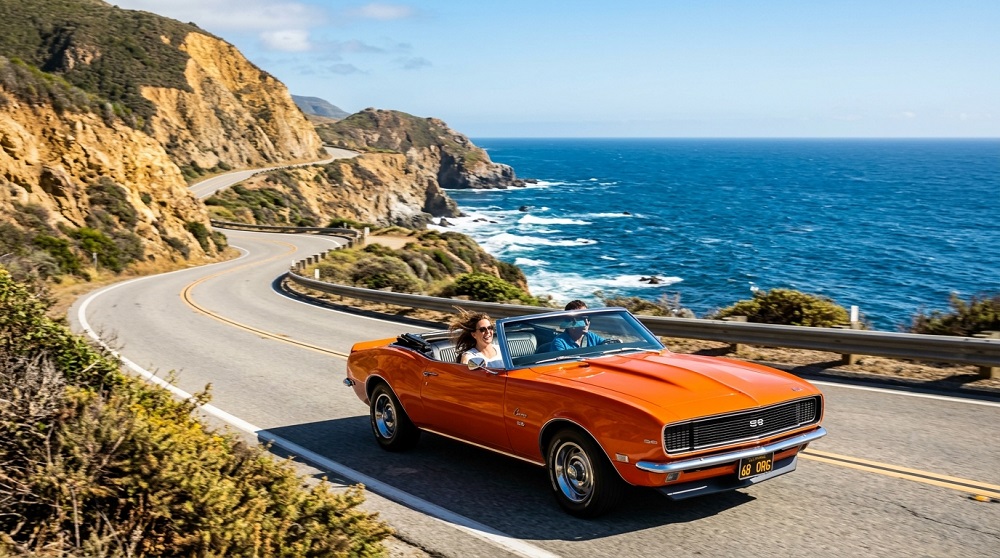
A road trip is the only form of travel where the journey is genuinely the point. You’re not enduring six hours to reach somewhere better — the six hours are the holiday. Which is precisely why badly planned road trips fail: they’re built like flights, with the driving treated as dead time between destinations.
Get the structure right and everything else follows.
Table of Contents
The Route Is the Itinerary
Most people choose a start point and an end point, then look for things in between. Reverse it.
Pick the road itself. Coastal highways, mountain passes, desert crossings, river valleys — the drive should be something you’d want to do even if the destination weren’t there. Then place your stops along it.
Loops usually beat one-way routes. No repositioning flights, no one-way car hire surcharge, and you finish where your life already is.
Plan Shorter Days Than You Think
The most common road trip mistake is overestimating comfortable daily distance.
On paper, 500 kilometres looks like five hours. In practice it’s seven or eight once you add fuel stops, food, photographs, a wrong turn and the small town you didn’t plan to stop in but should.
A reasonable rule:
- Four to five hours of actual driving per day maximum
- A rest day every third or fourth day, ideally somewhere you’d happily stay put
- Arrive before dark on unfamiliar roads
Distance is not the achievement. Nobody remembers the day they drove furthest.
Prepare the Vehicle Properly
Before You Leave
Tyres including the spare, oil, coolant, brakes, wipers and lights. If the car is due a service within the trip’s mileage, do it beforehand. Breakdown cover that covers the whole route matters more than any accessory.
What to Carry
Jump leads, a tyre inflator or repair kit, a torch, basic tools, water, and a paper map for the stretches where signal disappears — which it will.
Documents
Licence, insurance, registration, and an international permit if the country requires one. Check border rules early if you’re crossing one; hire cars often have restrictions.
Build in Room for Detours
The best parts of a road trip are almost never on the plan. The roadside stall, the viewpoint with no sign, the town with a festival happening.
That only works if the schedule has slack. Book the first and last nights, plus anything genuinely unmissable. Leave the rest loose. Over-booked accommodation turns every interesting discovery into a reason you’ll now arrive late.
Make the Driving Good
Small things disproportionately improve long days behind the wheel:
- Sort the audio in advance — downloaded, not streamed, for dead zones
- Rotate drivers every two hours if you can
- Stop properly — get out, walk for five minutes, don’t eat in the car every time
- Front-load the long drives while enthusiasm is high
- Keep snacks and water within reach, not in the boot
Where to Actually Stop
Skip the highway service areas. Ten minutes off the main road there’s usually a town with better coffee, cheaper food and something worth looking at.
Small local museums, viewpoints, roadside diners and independent petrol stations are where road trip stories come from. The chain outlets are identical everywhere, which is exactly the opposite of why you drove.
The Trip You’ll Remember
Choose a road worth driving, cover less ground than you planned, keep the schedule loose, and be willing to take the turning you didn’t expect.
That’s a road trip. The rest is just commuting with luggage.