

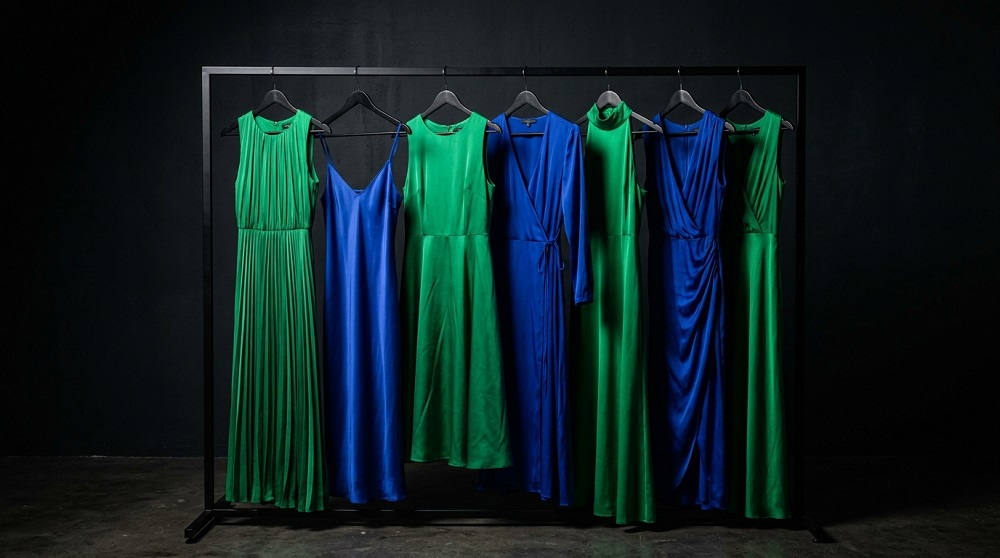
Fashion trends come and go, but personal style is something else entirely — it’s the visual language you use to express who you are, day after day. While fashion is often dictated by the industry, style is something you build for yourself, one choice at a time.
Table of Contents
Fashion vs. Style: What’s the Difference?
Fashion refers to the collective trends of a given season — the colors, silhouettes, and fabrics that designers and brands push forward. Style, on the other hand, is deeply personal. It’s how you interpret, ignore, or reinvent those trends to reflect your own taste, body, and lifestyle.
Why Personal Style Matters
A well-defined personal style does more than make getting dressed easier. It builds confidence, saves time and money, and creates a sense of consistency in how you present yourself to the world. People with strong personal style aren’t necessarily the most “fashionable” — they’re simply the most authentically dressed.
Discovering Your Personal Style
Start With Your Lifestyle
Before thinking about colors or silhouettes, consider how you actually spend your days. Someone who works from home, someone in a corporate office, and someone who’s constantly on the move all need very different wardrobes. Style should serve your life, not complicate it.
Identify Recurring Preferences
Look back at the pieces you reach for most often. Do you gravitate toward neutral tones or bold colors? Structured tailoring or relaxed fits? Patterns often reveal themselves once you start paying attention — use them as the foundation of your wardrobe rather than starting from scratch.
Build a Capsule Wardrobe
A capsule wardrobe is a curated collection of versatile, mix-and-match pieces built around a cohesive color palette. Benefits include:
- Fewer decisions each morning
- Reduced clutter and impulse purchases
- Higher cost-per-wear value from quality basics
- A more consistent, recognizable personal aesthetic
Timeless Style Principles
Fit Matters More Than Price
An inexpensive item that’s tailored well will almost always look better than an expensive item that fits poorly. Investing in basic alterations — hemming pants, taking in a waist — can transform how existing pieces look and feel.
Quality Over Quantity
A smaller wardrobe of well-made, versatile pieces tends to outperform a large closet of trend-driven items that wear out or go out of style quickly. Focus on fabric quality, construction, and pieces that pair well with multiple outfits.
Accessories Are Underrated
Jewelry, bags, scarves, and shoes can transform a simple outfit into something distinctive. Accessories are often the easiest and most affordable way to inject personality into an otherwise minimal wardrobe.
Adapting Trends Without Losing Yourself
Trends can absolutely be incorporated into a personal style — the key is selectivity. Instead of adopting a trend wholesale, try introducing it through smaller elements: a single statement piece, an accessory, or a new color incorporated into an existing outfit formula. This keeps your look current without erasing the style identity you’ve already built.
Confidence Is the Real Trend
Ultimately, the most powerful style ingredient isn’t a specific brand, color, or trend — it’s confidence. Clothes that make you feel comfortable and self-assured will always read as “well-styled,” regardless of what’s currently trending. Personal style is a long-term practice of learning what works for your body, your lifestyle, and your taste, then wearing it unapologetically.
Final Thoughts
Fashion may change every season, but personal style evolves at your own pace. By focusing on fit, versatility, and pieces that genuinely reflect who you are, you create a wardrobe — and a sense of self-expression — that lasts far longer than any single trend.