

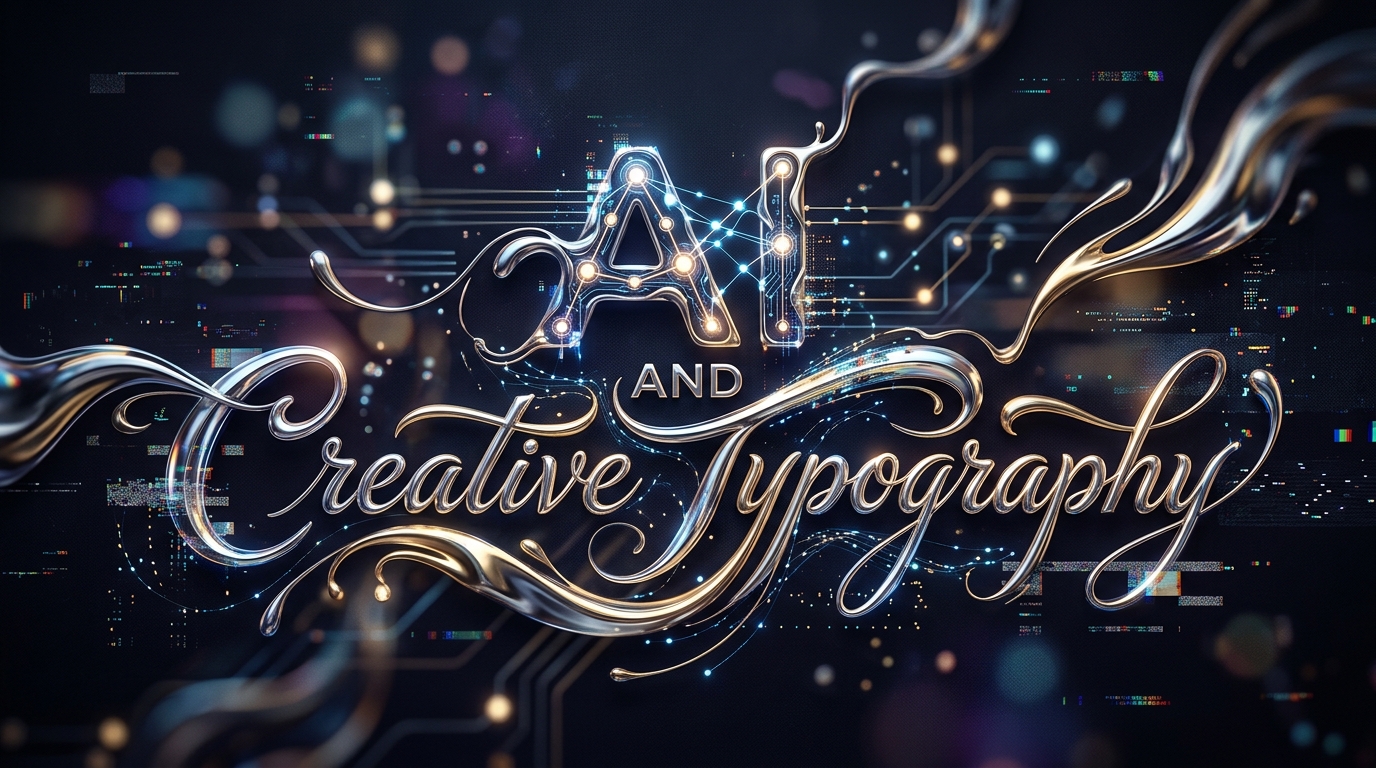
Artificial intelligence is changing almost every part of the digital world, including the way people create, customize, and share text. What once required specialized design software can now be accomplished with a few words and a simple online tool. From generating creative captions to suggesting writing styles, AI is making digital text more accessible and personalized than ever.
One of the biggest changes brought by AI is the ability to understand context. Traditional text tools generally perform a specific function, such as changing font size, formatting paragraphs, or converting characters. AI-powered tools can go further by understanding what a user wants to communicate and suggesting appropriate wording, styles, or formats.
For example, someone creating a social media profile may want their username to look distinctive. Instead of manually searching through dozens of fonts, modern text-generation technologies can help produce different stylistic variations quickly. Cursive, bold, italic, decorative, and other text styles can be created without installing specialized software.
AI is also becoming useful for content creators. Bloggers, marketers, designers, and social media managers frequently need multiple versions of the same message. Artificial intelligence can generate alternative headlines, captions, descriptions, and calls to action in seconds. This reduces repetitive work and gives creators more opportunities to experiment with their content.
Another important development is personalization. AI systems can analyze a user’s instructions and produce text that matches a particular tone or purpose. A professional business message may require a clean and formal appearance, while a personal social media post might benefit from a more creative style. This flexibility makes digital text tools useful across many different situations.
The technology behind customized digital text does not always depend entirely on traditional fonts. Unicode plays an important role as well. Unicode provides standardized characters that can be displayed across many modern devices and platforms. Some online text generators use combinations of Unicode characters to create appearances that resemble different font styles.
This approach is particularly useful for social media platforms where users may not have access to traditional font-selection features. Instead of uploading a font file, users can copy and paste specially formatted characters into their profiles, posts, comments, or messages.
AI can also make these tools easier to use. Instead of navigating complicated menus, users may eventually be able to describe what they want in natural language. A person could request a playful cursive style, an elegant profile name, or a futuristic text appearance and receive several suitable options.
However, AI-generated text also introduces challenges. Not every platform supports every Unicode character equally, and some characters may appear differently depending on the device or operating system. Accessibility is another consideration because screen readers may interpret decorative characters differently from ordinary text.
Despite these limitations, the combination of artificial intelligence and digital typography has significant potential. It allows ordinary users to explore creative text without needing professional design knowledge.
The future of digital text will likely involve greater personalization, smarter recommendations, and easier customization. As AI continues to develop, text-generation tools may become more intelligent and responsive, helping people communicate not only through words but also through the visual appearance of those words.
For users interested in creative typography, this means more choices and fewer technical barriers. AI is turning digital text from a simple communication format into a flexible creative medium.