

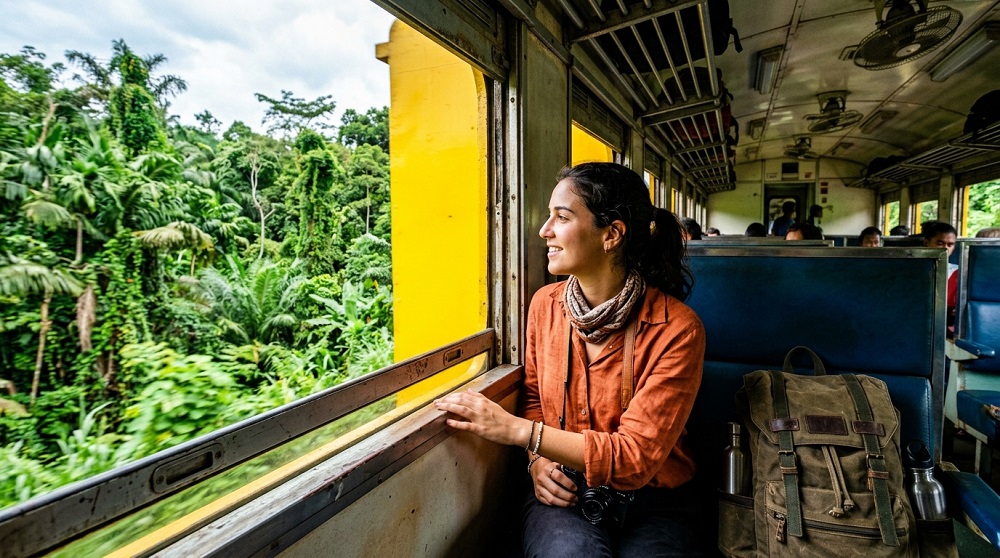
Budget travel has an image problem. It’s imagined as bad food, uncomfortable beds and a permanent low-level misery endured in exchange for a cheaper flight.
Done well, it’s the opposite. The traveller spending $40 a day is often eating better, meeting more people and seeing more of a country than the one spending $400. The trick isn’t deprivation — it’s knowing which costs actually buy you something.
Table of Contents
Choose the Country Before the Deal
This is the single biggest lever, and most travellers skip straight past it.
A cheap flight to an expensive country will cost you more than an expensive flight to a cheap one. Two weeks in Vietnam, Georgia, Colombia or Albania can cost less than a long weekend in Switzerland — including the airfare.
Pick your destination on daily cost, not on flight price.
Where the Money Actually Goes
Travel spending breaks into four buckets, and they are not equally worth cutting.
Transport
Usually the largest single expense and the most compressible. Book international flights six to ten weeks out, fly midweek, stay flexible on dates, and use overnight trains and buses where they exist — you save a night’s accommodation at the same time.
Accommodation
The second biggest cost and the easiest to overspend on. You sleep there. Prioritise location and cleanliness; pay for nothing else. Guesthouses, hostel private rooms and apartment rentals outside the tourist core almost always beat hotels on both price and experience.
Food
Where budget travel gets misunderstood. Eating cheaply abroad usually means eating better — markets, street vendors, neighbourhood canteens and family-run places. The expensive restaurants near the main square are rarely the good ones.
Activities
Worth protecting. This is the part you’ll remember. Cut hard on the other three so you don’t have to hesitate here.
Habits That Save More Than Any Hack
- Move slowly. Transport days are the most expensive days. Fewer, longer stays cut costs sharply.
- Travel in shoulder season. Same place, 30–50% less, fewer crowds.
- Walk. Most city centres are smaller than they look, and walking is how you find things.
- Carry a refillable bottle and a filter. Small daily saving, large monthly one.
- Use local SIMs or eSIMs rather than roaming.
- Book long-distance transport locally where the online price carries a foreign markup.
Avoid the Expensive Small Stuff
Budgets rarely collapse from one big purchase. They leak.
Airport taxis, ATM fees, dynamic currency conversion at card terminals, poor exchange rates, drinks at tourist bars, and paid transfers that a $2 bus covers. Handle these six and most travellers save 15–20% without changing anything else about the trip.
Set a Daily Number, Not a Total
A trip budget of $2,000 is abstract. A budget of $55 a day is a decision you can make at breakfast.
Track it roughly — a note on your phone is enough. Good days offset expensive ones, and you’ll know within a week whether you’re on course rather than discovering the problem at the airport.
What’s Worth Paying For
Budget travel is not about spending as little as possible. It’s about spending deliberately.
Pay for safety, for sleep before an early start, for the guide who genuinely knows the site, for the one experience you travelled specifically to have. Save everywhere the money buys you nothing.
That’s the whole discipline — and it’s what lets you stay away for twice as long.