

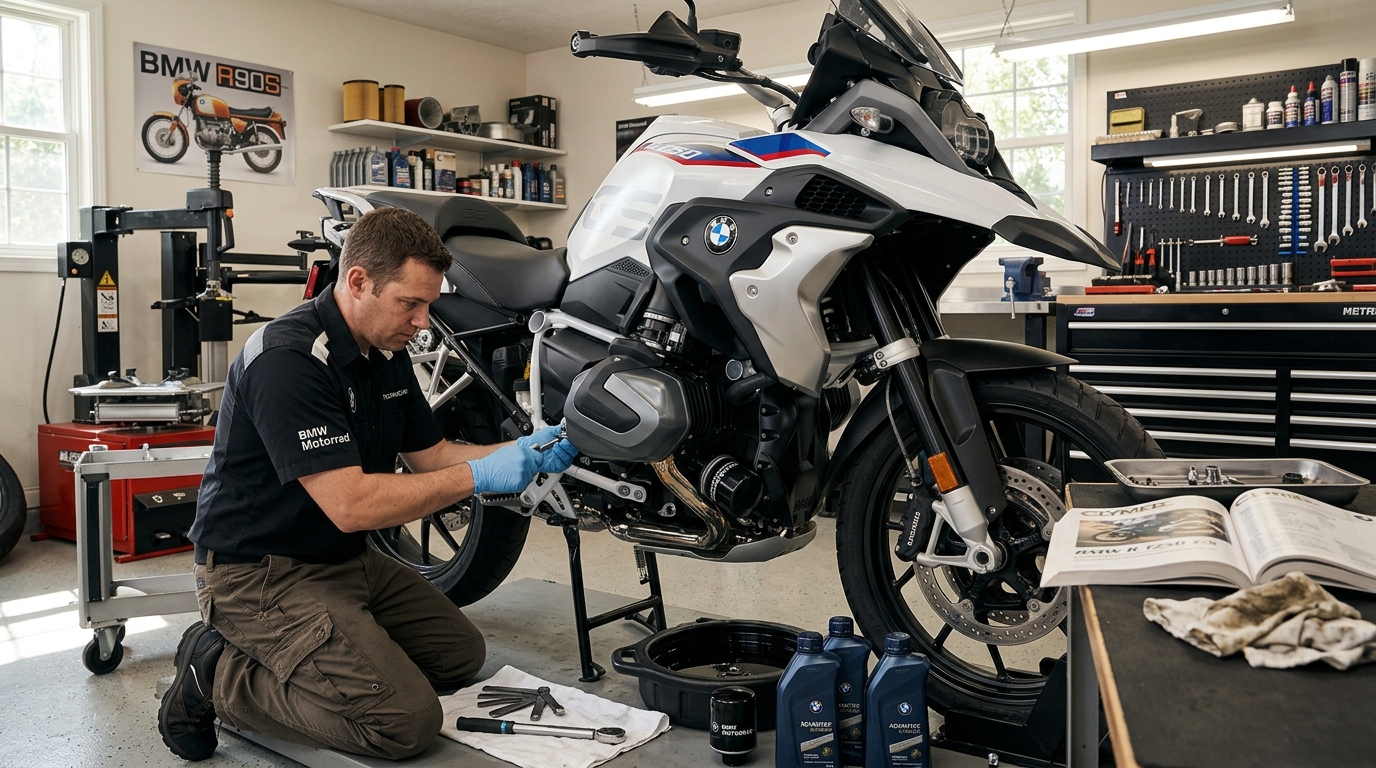
Owning a vehicle brings convenience and independence, but it also comes with responsibility. Cars depend on many mechanical, electrical, and electronic systems working together, and even a small neglected problem can eventually affect reliability, comfort, or safety.
Good vehicle ownership does not require becoming a professional mechanic. Instead, drivers benefit from understanding the basics: checking fluids, monitoring tires, recognizing unusual sounds, keeping service records, using the correct tools, and knowing when a problem requires professional attention.
Table of Contents
Start With the Manufacturer’s Maintenance Schedule
Every vehicle has its own maintenance requirements. While general automotive advice can be useful, the manufacturer’s recommended schedule should remain the primary reference for service intervals and specifications.
The owner’s manual may provide guidance on engine oil, coolant, transmission fluid, filters, spark plugs, brakes, tires, belts, batteries, and other components. Some maintenance requirements are based on mileage, while others depend on time or operating conditions.
Drivers who frequently operate in demanding conditions may also have different maintenance needs. Heavy traffic, very short journeys, dusty environments, extreme temperatures, towing, and repeated stop-and-go driving can all influence vehicle wear.
Learn to Perform a Basic Visual Inspection
A quick visual inspection can reveal developing problems before they become serious. Walk around the vehicle periodically and look for anything that appears different from normal.
Check whether any tire looks underinflated, whether exterior lights are damaged, whether fluid is visible under the parked car, and whether wiper blades appear worn or cracked.
Inside the vehicle, pay attention to dashboard warnings, unusual smells, new vibrations, or changes in pedal and steering feel. Small changes can provide valuable early clues.
Monitor Engine Oil Properly
Engine oil reduces friction and helps protect moving internal components. Maintaining the appropriate oil level and using the correct specification are important parts of engine care.
Some vehicles have a conventional dipstick, while others rely on electronic oil-level monitoring. Follow the manufacturer’s procedure because checking methods can differ.
If the oil level repeatedly drops, investigate the cause rather than simply adding more oil indefinitely. Possible explanations can vary, and proper diagnosis is preferable to assumption.
Understand the Importance of Tire Condition
Tires influence braking, steering, road grip, comfort, and overall handling. They should be inspected regularly rather than only before long journeys.
Check pressure against the vehicle manufacturer’s recommended values. These are commonly listed in the owner’s manual or on a placard near the driver’s door.
Look across the tire tread for uneven wear. Wear concentrated on one side or in unusual patterns may indicate pressure, alignment, suspension, or other issues that deserve attention.
Also inspect for cuts, cracking, bulges, embedded objects, or other visible damage. A tire that continually loses air should be inspected rather than repeatedly reinflated without identifying the cause.
Pay Attention to Motorsport and Automotive Engineering
Automotive enthusiasts often develop a deeper understanding of vehicles by observing how engineering principles apply across different forms of motoring. Motorsport, for example, highlights the importance of braking, tire management, aerodynamics, suspension setup, and mechanical reliability under demanding conditions.
Readers exploring broader automotive and racing-related material may encounter resources such as Moto GP Rem while researching different aspects of vehicles and motorsport culture.
However, technology designed for competition should not automatically be treated as appropriate for everyday road vehicles. Street cars are engineered around durability, comfort, emissions requirements, reliability, and practical operating conditions.
Recognize Changes in Brake Performance
Brakes gradually wear through normal use. Drivers should become familiar with how the braking system normally feels so that unusual changes become easier to recognize.
Possible warning signs include grinding, persistent squealing, vibration, pulling during braking, increased stopping distance, or a significant change in brake pedal feel.
Brake problems should not be diagnosed only from sound because different issues can produce similar symptoms. A proper inspection can identify whether pads, discs, calipers, fluid, hoses, or another component needs attention.
Keep the Cooling System Healthy
An internal-combustion engine generates substantial heat. The cooling system helps maintain appropriate operating temperature through components that may include coolant, a radiator, thermostat, water pump, hoses, and cooling fans.
Monitor the temperature gauge or warning system and take abnormal readings seriously. Persistent overheating can lead to more serious problems if ignored.
Never casually open a hot, pressurized cooling system. Hot coolant can cause severe burns. Follow safe manufacturer procedures or allow a professional to perform the inspection.
Do Not Ignore Dashboard Warnings
Modern vehicles use sensors and electronic control systems to monitor numerous functions. Dashboard warning lights are therefore an important source of information.
Some indicators simply communicate operating status, while others warn about faults that need attention. Drivers should become familiar with the symbols used by their specific vehicle.
If a warning light appears alongside serious symptoms such as overheating, smoke, severe vibration, significant loss of power, steering problems, or braking changes, continuing to drive without assessment may not be appropriate.
Understand Battery Health
A weak battery can make a reliable car suddenly difficult or impossible to start. Battery performance can be influenced by age, temperature, driving patterns, charging-system condition, and electrical loads.
Slow cranking, repeated starting difficulties, or unusual electrical behavior may justify testing. Where applicable, also inspect battery terminals for looseness or excessive corrosion.
Do not assume every starting problem is battery-related. Starter motors, charging systems, electrical connections, fuel systems, immobilizers, and other components can produce similar symptoms.
Check Lights and Visibility Equipment
Vehicle lighting helps both the driver and other road users. Headlights, brake lights, turn signals, reversing lights, and other exterior lamps should be checked periodically.
Wiper blades are equally important during rain. Replace blades when they streak excessively, skip across the glass, or fail to clear water effectively.
Keep the windshield washer system filled with an appropriate fluid and make sure the spray nozzles operate correctly.
Use the Right Automotive Tools
Basic tools can make routine vehicle checks easier, but using an unsuitable tool can damage components or create a safety risk.
A simple home automotive toolkit might contain items such as properly sized sockets, screwdrivers, pliers, a tire-pressure gauge, a flashlight, and other equipment appropriate to the owner’s level of experience.
People researching equipment and practical automotive maintenance may encounter resources such as Car Tool Express when exploring car tools and related topics. Regardless of where a tool is obtained or researched, it should be suitable for the specific job and used according to safe procedures.
Be Careful When Lifting a Vehicle
Working underneath a vehicle introduces serious risks. A jack designed to raise a car should not automatically be treated as a safe means of supporting it while someone works underneath.
Correct lifting points and appropriate support equipment are important. The exact procedure depends on the vehicle and the work being performed.
If you do not understand safe lifting practices or lack suitable equipment and ground conditions, professional servicing is the safer choice.
Understand Fluid Maintenance
Vehicles may use several different fluids, including engine oil, coolant, brake fluid, transmission fluid, power-steering fluid on some models, and windshield washer fluid.
Not every car uses the same type or specification, and some newer vehicles may not have certain traditional systems at all.
Use manufacturer-approved specifications and avoid mixing fluids simply because they appear similar. Incorrect fluids can potentially affect performance or damage components.
Listen for New Sounds
Drivers who use a vehicle regularly become familiar with its normal sounds. A new knocking, clicking, grinding, humming, rattling, or squealing noise is therefore worth investigating.
Try to identify when the sound occurs. Does it happen while accelerating, braking, turning, idling, or traveling over rough roads?
These observations can help a technician diagnose the problem more effectively. Avoid replacing parts solely because an online description resembles the noise you hear.
Notice New Vibrations
Unusual vibration can originate from numerous areas, including tires, wheels, suspension components, braking systems, driveline components, or engine-related systems.
Pay attention to whether the vibration occurs at a specific speed, while braking, under acceleration, or while idling.
A vibration that appears suddenly or becomes progressively worse should not simply be accepted as normal vehicle aging.
Practice Smooth Driving
Driving style affects vehicle wear. Frequent harsh acceleration and braking can place additional demand on tires, brakes, and other components.
Looking farther ahead in traffic allows drivers to anticipate changes and adjust speed gradually. Maintaining appropriate following distance also reduces the need for sudden braking.
Smooth operation generally improves passenger comfort and can make driving more predictable.
Protect the Suspension and Wheels
Potholes, damaged road surfaces, high curbs, and other impacts can affect tires, wheels, alignment, and suspension components.
Avoid severe road damage whenever it can be done safely. If the vehicle strikes a significant pothole and afterward develops vibration, pulling, steering changes, or unusual noises, an inspection may be appropriate.
Do not ignore visible wheel or tire damage after a major impact.
Research Automotive Topics Carefully
Online automotive information can be valuable, but not every piece of advice applies equally to every vehicle. Mechanical designs, model years, engines, transmissions, and regional specifications can vary substantially.
General automotive-focused resources such as Monotukuru may be encountered while researching vehicle topics, but vehicle-specific technical decisions should be checked against reliable documentation and appropriate professional guidance.
This is particularly important when researching repairs. A procedure shown for one model or engine may be inappropriate for another despite visual similarities.
Keep Accurate Service Records
Maintenance records help owners understand what has already been completed and what may be approaching its next service interval.
Record the date, mileage, service performed, and important parts or fluids used where relevant. Keep invoices and receipts for significant work.
A clear history can also help technicians identify recurring issues and may be useful when the vehicle is eventually sold.
Inspect the Vehicle Before a Long Journey
Before a road trip, perform a basic check rather than assuming that a vehicle used successfully every day is automatically ready for extended travel.
Inspect the tires, including the spare if equipped, and confirm appropriate pressure. Check important fluid levels, exterior lights, wipers, and general vehicle condition.
Also consider whether upcoming scheduled maintenance should be completed before departure rather than during the trip.
Prepare Useful Emergency Equipment
The equipment appropriate for a vehicle depends on location, climate, local legal requirements, and the type of travel being undertaken.
Useful items may include a warning triangle, flashlight, first-aid supplies, tire-related equipment, basic tools, phone-charging capability, or other suitable emergency items.
Simply carrying equipment is not enough. Drivers should understand how to use it safely.
Know When DIY Maintenance Is Appropriate
Some vehicle owners enjoy performing routine maintenance themselves. Simple jobs can be practical when the owner has the correct tools, instructions, and experience.
However, modern vehicles contain increasingly complex electronics, safety systems, sensors, pressurized components, and in some cases high-voltage equipment.
Jobs involving braking, steering, airbags, advanced driver-assistance systems, high-voltage components, or other safety-critical systems may require specialized knowledge and equipment.
Avoid Replacing Parts by Guesswork
Modern vehicle diagnostics can be complicated. A warning light or symptom does not always identify the failed component directly.
For example, an electronic diagnostic code may indicate that a system detected an abnormal condition, but additional testing can still be necessary to identify the underlying cause.
Replacing several parts until a problem disappears can become expensive. Proper diagnosis is often more economical than guessing.
Choose Replacement Parts Carefully
Before ordering an automotive component, verify compatibility with the exact vehicle. Year, make, model, engine, transmission, trim, production date, and regional specification can all matter.
Whenever practical, confirm part numbers and required specifications. Visually similar components are not necessarily interchangeable.
For critical systems, correct fitment and installation are particularly important.
Keep the Interior Safe and Organized
Loose objects inside a car can create distractions and, during sudden braking, may move around the cabin.
Keep the driver’s footwell clear and make sure floor mats are correctly positioned so they cannot interfere with pedals.
Secure heavier items in appropriate storage areas instead of leaving them loose inside the passenger compartment.
Take Care of the Exterior
Regular exterior cleaning can help owners notice paint damage, chips, corrosion, damaged trim, or other changes more quickly.
Different surfaces may require different cleaning products and methods. Avoid harsh products simply because they appear to clean faster.
Drivers in environments where road salt or similar contaminants are common may need to pay particular attention to areas where residue can accumulate.
Review Maintenance Needs as the Vehicle Ages
An older vehicle is not automatically unreliable, but maintenance priorities may change with age and mileage.
Rubber components, seals, suspension parts, cooling-system components, batteries, and other items can deteriorate over time even when mileage is moderate.
Regular inspection becomes increasingly important as a vehicle accumulates years of service.
Understand the Difference Between Maintenance and Repair
Maintenance is intended to keep a vehicle operating according to a planned schedule, while repairs address components that are damaged, worn, or malfunctioning.
Good maintenance cannot eliminate every future repair, but it can help reduce avoidable problems and provide opportunities to identify wear earlier.
The goal should be consistent care rather than waiting for something to fail completely before paying attention to the vehicle.
Develop a Simple Monthly Routine
A useful monthly check can include tire pressure and condition, lights, windshield wipers, visible fluid levels where appropriate, and a quick inspection for leaks.
Also pay attention to dashboard warnings and any changes in steering, braking, acceleration, or vehicle sounds.
This routine does not replace professional servicing. It simply helps owners remain aware of the vehicle between scheduled maintenance visits.
Make Informed Automotive Decisions
Responsible vehicle ownership is based on observation, accurate information, and timely maintenance. Drivers do not need to understand every component in detail, but they should know enough to recognize when something has changed.
Use manufacturer information as the foundation, supplement it with careful research, and consult qualified professionals when a repair exceeds your experience or equipment.
A few consistent habits—monitoring tires, fluids, brakes, warning lights, and maintenance intervals—can make vehicle ownership more organized and help reduce the chance of avoidable surprises.