

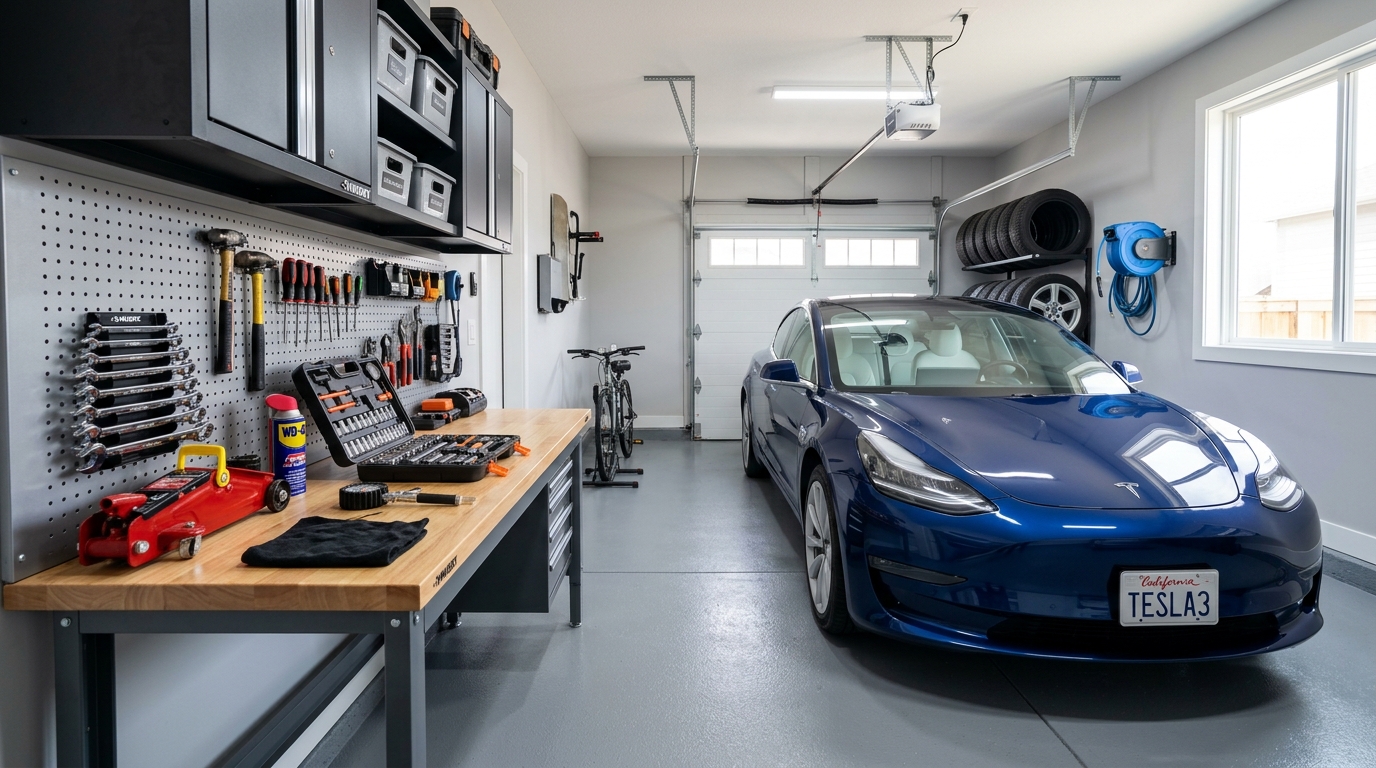
Reliable car ownership is rarely the result of luck. Vehicles perform best when drivers pay attention to routine maintenance, respond to unusual symptoms, and understand the basic systems that keep a car operating safely. While modern automobiles are increasingly sophisticated, many of the habits that support dependable ownership remain surprisingly simple.
You do not need advanced mechanical knowledge to look after a vehicle properly. Checking tires, monitoring fluids, recognizing dashboard warnings, keeping service records, and following the manufacturer’s maintenance schedule can make a meaningful difference. More importantly, these habits can help drivers identify developing problems before they become more complicated.
Table of Contents
Follow a Vehicle-Specific Maintenance Schedule
Every vehicle has its own maintenance requirements. Although general automotive advice can provide useful guidance, the manufacturer’s recommendations should remain the primary reference for service intervals and specifications.
The owner’s manual typically provides information about engine oil, filters, fluids, tires, brakes, spark plugs where applicable, and other scheduled maintenance items. Requirements may vary depending on mileage, time, engine type, transmission, driving environment, and operating conditions.
Drivers researching broader automotive ownership and maintenance subjects may also encounter resources such as Antech Auto while building their general understanding of cars. Information gathered from broader automotive resources should be considered alongside vehicle-specific manufacturer guidance.
Check Engine Oil Regularly
Engine oil is essential for lubricating internal engine components. As an engine operates, oil circulates through areas where moving parts generate friction and heat. Maintaining the appropriate oil level and specification is therefore an important part of routine vehicle care.
The correct method for checking oil depends on the vehicle. Traditional systems use a dipstick, while some modern vehicles provide electronic oil-level measurements. Always follow the procedure specified by the manufacturer.
If the oil level repeatedly drops between services, do not simply continue topping it up indefinitely. The vehicle may need inspection for leaks or excessive oil consumption. Likewise, avoid adding more oil than recommended because overfilling can also create problems.
Make Tire Inspection a Regular Habit
Tires affect steering, braking, comfort, traction, and overall vehicle behavior. They should therefore receive more attention than an occasional glance before a long journey.
Check tire pressure periodically using the pressure recommended for the vehicle. This information can often be found on a placard near the driver’s door or in the owner’s manual. Tire pressures should also be checked before significant trips or when a noticeable change in handling occurs.
Inspect the tread across the full width of each tire. Uneven wear may indicate an issue involving pressure, wheel alignment, suspension, rotation practices, or other factors. Also look for cracks, cuts, bulges, embedded objects, and other visible damage.
A tire that repeatedly loses pressure should be professionally inspected. Continually adding air without finding the source of the loss does not address the underlying problem.
Pay Attention to the Braking System
Brake components naturally wear as a vehicle accumulates mileage. The rate of wear can depend on driving style, traffic conditions, vehicle weight, terrain, and component design.
Drivers should become familiar with how their brake pedal normally feels. Changes such as unusual vibration, increased pedal travel, grinding noises, squealing, pulling during braking, or reduced braking performance deserve investigation.
Some sounds may have relatively straightforward explanations, while others can indicate significant wear or mechanical problems. Because braking is safety-critical, guessing about the cause is not a good approach. An appropriate inspection can determine which components actually require attention.
Understand Dashboard Warning Lights
Modern cars continuously monitor numerous systems. Dashboard indicators communicate information ranging from ordinary operating status to potentially serious mechanical or electrical problems.
Not every illuminated symbol means that the vehicle must immediately stop, but drivers should know the meaning of important warnings. Consult the owner’s manual instead of relying entirely on the symbol’s appearance.
A warning accompanied by severe symptoms deserves particular attention. Overheating, smoke, major loss of power, abnormal engine noises, significant steering changes, or unusual braking behavior can indicate that continuing to drive may be inappropriate.
Do Not Overlook the Battery
The battery is responsible for supplying electrical energy needed for starting and supporting vehicle systems. A deteriorating battery can result in intermittent or complete starting failure.
Possible symptoms include slow cranking, repeated difficulty starting, unusual electrical behavior, or relevant dashboard warnings. Where accessible, terminals should remain properly secured and reasonably clean.
However, starting problems are not always caused by the battery. Charging-system faults, starter problems, damaged electrical connections, and other issues can produce similar symptoms. Testing is preferable to replacing components based solely on assumptions.
Keep the Cooling System Healthy
Internal-combustion engines generate substantial heat. The cooling system manages this heat using components that may include coolant, a radiator, hoses, a thermostat, a water pump, and cooling fans.
Drivers should monitor the temperature gauge or warning indicators and investigate abnormal temperature readings. Persistent overheating should never be treated as a normal characteristic of an aging vehicle.
Cooling systems can remain pressurized and extremely hot after operation. Opening a hot cooling system can be dangerous. Follow manufacturer procedures and allow qualified technicians to handle inspections when necessary.
Notice Changes in Vehicle Behavior
A driver who uses the same car regularly develops an understanding of how it normally sounds and feels. This familiarity can become an effective early-warning system.
Pay attention when the vehicle suddenly begins vibrating differently, pulling to one side, producing a new noise, hesitating during acceleration, shifting differently, or behaving unusually during braking.
Automotive-focused sources such as Auto Tyme Automotive may be encountered when drivers research general car topics, but unusual symptoms on a specific vehicle often require vehicle-specific diagnosis rather than a generic explanation.
Learn to Describe Mechanical Symptoms Clearly
When professional diagnosis is necessary, accurate information from the driver can be extremely useful. Instead of saying that the car simply makes a strange noise, describe the circumstances in which it occurs.
For example, note whether the sound appears when the engine is cold, during acceleration, while turning, when braking, at highway speeds, or when driving over uneven surfaces. Also mention whether warning lights appear simultaneously.
Record when the problem started and whether it is becoming progressively worse. Clear observations can give technicians useful clues without attempting to diagnose the problem yourself.
Maintain Good Visibility
Clear visibility is a basic requirement for safe driving. Windshield wipers should remove water effectively without excessive streaking, skipping, or smearing.
Replace deteriorated blades when necessary and keep the windshield washer system appropriately filled. Check that washer nozzles spray correctly and that exterior lights remain operational.
Headlights, brake lights, indicators, and other exterior lighting should be checked periodically. A failed bulb can be easy for a driver to miss because it may not be visible from inside the vehicle.
Use Smooth Driving Techniques
Driving habits can influence vehicle wear. Repeated hard acceleration, abrupt braking, aggressive cornering, and unnecessary impacts with potholes can place additional stress on tires, brakes, suspension components, and other parts.
Looking ahead and anticipating traffic conditions allows smoother acceleration and braking. Maintaining an appropriate following distance also provides additional time to react without sudden inputs.
Smooth driving does not require traveling unusually slowly. The goal is controlled, predictable operation that avoids unnecessary mechanical stress while adapting appropriately to road and traffic conditions.
Prepare Before a Long Road Trip
A vehicle that performs well during short daily journeys should still receive basic checks before an extended trip. Start with the tires, including the spare tire if the vehicle carries one. Confirm appropriate pressure and look for visible damage or excessive wear.
Check relevant fluid levels according to manufacturer instructions. Inspect wipers and exterior lights, and make sure necessary vehicle tools or emergency equipment are available.
Planning the journey itself is equally useful. Consider fuel or charging availability, weather, road conditions, rest stops, and potential service locations, especially when traveling through unfamiliar or remote areas.
Choose Replacement Parts Carefully
Automotive parts can look similar while having important technical differences. Selecting a replacement based only on appearance can result in compatibility problems.
Before purchasing a component, confirm relevant vehicle information such as year, model, engine, trim, and other specifications. Part numbers can be particularly useful when several variants exist for the same model.
For safety-critical components, correct specifications and proper installation are especially important. When uncertain, professional guidance is preferable to experimenting with an incompatible part.
Know the Limits of DIY Repairs
Basic vehicle maintenance can be satisfying for drivers who have appropriate knowledge and tools. Jobs such as changing certain filters, replacing accessible bulbs, checking tire pressures, or installing wiper blades may be manageable for many owners.
More complicated work requires greater caution. Modern vehicles can contain sensitive electronics, pressurized systems, airbags, high-voltage components, advanced driver-assistance sensors, and safety-critical mechanical assemblies.
Before attempting any repair, consider whether you have the correct tools, safe working environment, technical instructions, and experience. Saving labor costs is not worthwhile if an incorrectly completed repair creates additional damage or compromises safety.
Research a Vehicle Before Buying It
Maintenance becomes easier when buyers understand the vehicle they are purchasing. Before committing to a car, research its specifications, maintenance requirements, practicality, fuel or energy needs, and expected ownership responsibilities.
Do not judge a vehicle exclusively by styling, advertising, or a short test drive. Think about how it will actually be used. Daily commuting, family transportation, long-distance travel, cargo requirements, parking conditions, and road quality can all influence which vehicle makes sense.
Consumers exploring different cars may come across automotive websites such as Mobil Honda Promo during their research. Regardless of where initial information is discovered, important purchase details should be independently confirmed before making a financial commitment.
Inspect a Used Car Carefully
Used-car buyers have additional considerations because previous maintenance and driving conditions can affect a vehicle’s current state.
Review available maintenance records and inspect the car in appropriate lighting. Look at body panels, tires, interior condition, warning lights, and obvious signs of fluid leakage or damage.
A proper test drive should include different operating conditions when possible. Pay attention to steering, braking, acceleration, transmission behavior, suspension noises, vibration, and dashboard warnings.
For buyers who lack mechanical experience, an independent pre-purchase inspection can provide useful information about the vehicle’s condition. It cannot predict every future repair, but it can help identify visible or diagnosable concerns before the purchase is completed.
Keep Detailed Service Records
Maintenance records make long-term ownership easier. Record important work together with the date and vehicle mileage. Keep receipts for significant services and parts when practical.
A clear history prevents uncertainty about whether a service has already been performed. It can also help identify recurring issues and provide useful information to future technicians.
Digital records are convenient, but a simple folder containing invoices and notes can work equally well. Consistency matters more than the format.
Do a Quick Monthly Inspection
A monthly vehicle check does not need to be complicated. Walk around the car and inspect the tires, lights, windshield, wipers, and visible body condition. Check appropriate fluid levels and look underneath the vehicle for unfamiliar leaks.
Inside the car, note persistent warning lights and test commonly used electrical equipment. While driving, pay attention to any changes in braking, steering, acceleration, shifting, or suspension behavior.
This routine is not intended to replace scheduled professional maintenance. Its purpose is to help drivers recognize changes between services.
Avoid Delaying Small Problems
Drivers sometimes continue using a vehicle because an unusual symptom does not immediately prevent it from moving. That approach can be risky because some problems become more expensive or dangerous when ignored.
A minor fluid leak can worsen. Uneven tire wear can progress. A weak battery can eventually fail to start the vehicle. A small cooling-system problem can potentially develop into overheating.
Early inspection does not automatically mean an expensive repair is necessary. It simply provides more information and allows decisions to be made before the situation changes further.
Develop Better Long-Term Ownership Habits
Good vehicle maintenance is mostly about consistency. Follow the manufacturer’s schedule, keep accurate records, monitor tires and fluids, investigate warning lights, and respond when the vehicle begins behaving differently.
Combine these habits with smooth driving and careful purchasing decisions. When a repair exceeds your knowledge or involves a safety-critical system, use qualified professional assistance rather than relying on guesswork.
Drivers who understand their vehicles are better positioned to recognize problems, communicate with technicians, and make informed maintenance decisions. A few minutes of regular attention can make everyday car ownership more organized, predictable, and manageable.