

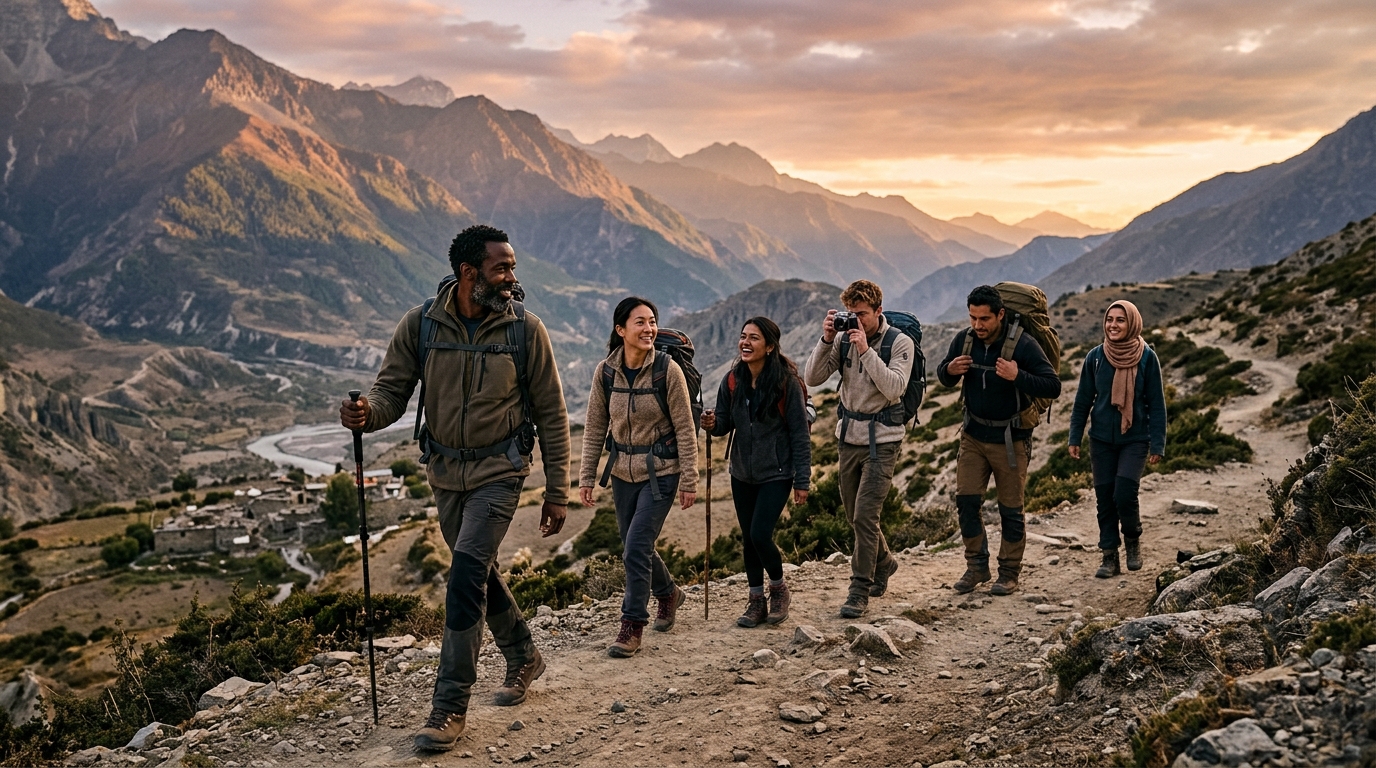
Travel can be one of the most rewarding ways to experience new places, cultures, landscapes, food, and perspectives. Yet a memorable trip rarely depends only on choosing a beautiful destination. Transportation, timing, budgeting, accommodation, local customs, weather, safety, and the pace of the itinerary can all influence how enjoyable the experience becomes.
Good travel planning is therefore about balance. Planning too little can create unnecessary problems, while planning every hour can remove the flexibility that makes travel exciting. The strongest itineraries usually provide enough structure to cover important logistics while leaving room for unexpected discoveries.
Whether you are planning a weekend break, international vacation, road trip, nature-focused adventure, or longer journey across several countries, the following principles can help create a smoother and more rewarding experience.
Table of Contents
Start With the Experience You Want
Before searching flights or hotels, decide what kind of trip you actually want.
Some travelers want beaches and relaxation. Others prefer historic neighborhoods, outdoor adventures, road trips, museums, nightlife, food experiences, wildlife, or a mixture of several activities.
People looking for personal travel inspiration may encounter resources such as Explore My Soul while thinking about destinations and experiences.
Defining the purpose of the trip first makes later decisions easier because transportation, accommodation, and daily activities can all be chosen around that objective.
Research the Destination Before Booking
Beautiful photographs provide inspiration, but practical research is what helps determine whether a destination fits your expectations.
Look at seasonal weather, visa requirements, transportation, local costs, cultural considerations, typical opening hours, public holidays, and how long major journeys take.
Travelers exploring destination-oriented information may encounter resources such as Morskoiboy while gathering ideas.
Checking several sources can provide a more balanced picture than relying on one social-media video or promotional page.
Plan Transportation Early
Transportation can become one of the largest components of a travel budget, particularly for international trips.
Compare not only ticket prices but also departure times, luggage allowances, transfer requirements, airport location, and the cost of reaching accommodation after arrival.
Ground transport can also be important. Travelers researching bus-based transportation may encounter resources such as Sinorama Bus.
A cheaper ticket may not be better value if it requires expensive transfers or consumes an entire extra day.
Road Trips Require a Different Planning Style
Driving provides flexibility that fixed transportation cannot always match. Travelers can stop in smaller towns, change plans according to weather, and explore locations outside major transportation networks.
Those interested in road-based travel may encounter resources such as The Road Atlanta while researching routes and travel ideas.
Road trips should still account for fuel, tolls, parking, vehicle requirements, insurance, driving regulations, and realistic daily distances.
Do Not Overestimate How Far You Can Drive
Maps can make long drives appear manageable because they show only estimated driving time.
Real journeys include fuel stops, meals, traffic, sightseeing, rest, and unexpected delays.
Building some flexibility into driving days can make a road trip considerably more enjoyable and safer.
Adventure Tours Can Reveal Places That Standard Routes Miss
Some destinations are best explored through specialized local transportation or guided adventure experiences.
Travelers interested in Caribbean-style off-road experiences may encounter resources such as Grenada Jeep Tours while researching different ways to experience a destination.
Before booking an adventure activity, consider operator credentials where relevant, safety procedures, weather conditions, insurance, and whether the physical demands are appropriate for everyone in the group.
Explore Smaller Regions, Not Only Famous Cities
Many travelers build itineraries entirely around well-known cities and landmarks.
However, smaller regions can offer historic towns, countryside, local food traditions, nature, and a slower pace.
Travelers researching areas beyond the most familiar tourist routes may encounter resources such as Montefeltro.
Adding one lesser-known area to a trip can provide a very different experience from major tourism centers.
Nature Travel Requires Respect for the Environment
National parks, forests, islands, mountains, and wildlife areas are often among the most memorable travel destinations.
Nature-focused travelers researching Southeast Asia may encounter resources such as Nature Focus Thailand.
Follow local rules, remain on appropriate trails, avoid disturbing wildlife, dispose of waste properly, and respect protected areas.
Responsible behavior helps preserve these places for future visitors and local communities.
Weather Can Completely Change a Nature Trip
Outdoor itineraries depend heavily on conditions.
Rain can make trails unsafe, heat can make long walks difficult, and seasonal weather can influence wildlife activity or access to particular areas.
Check both typical seasonal conditions and the short-term forecast before major outdoor activities.
Turkey Offers Diverse Travel Experiences
Some countries contain enough geographic and cultural variety to support several very different trips.
Travelers researching Turkey may encounter resources such as Tourisme Turc while exploring destination ideas.
Major cities, coastal areas, historic sites, archaeological destinations, regional cuisine, and landscapes can require very different planning depending on the itinerary.
Learn Basic Local Etiquette
Travel becomes easier when visitors understand basic cultural expectations.
Research appropriate clothing for religious sites, tipping practices, greetings, photography etiquette, dining customs, and expected behavior in public spaces.
Travelers do not need to understand every local custom perfectly, but making an effort demonstrates respect.
Japan Rewards Careful Regional Planning
Japan offers highly developed transportation alongside strong regional differences in cuisine, history, scenery, and culture.
Travelers exploring the Kanagawa region may encounter resources such as Pure Kanagawa.
Rather than attempting to see every famous destination in one trip, choosing several regions and exploring them properly can reduce travel fatigue.
Public Transportation Can Become Part of the Experience
In cities with efficient transport, trains, buses, ferries, and metro systems can be easier than renting a vehicle.
Before arrival, research payment methods, operating hours, airport connections, and whether tourist passes genuinely provide value for your planned journeys.
Offline maps and saved station names can also help when mobile connectivity becomes unreliable.
Island Destinations Need Different Logistics
Islands can require additional planning because flights, ferries, weather, and seasonal schedules influence access.
Travelers researching iconic island escapes may encounter resources such as Santorini Resort.
Accommodation location becomes particularly important when steep terrain, limited parking, or seasonal crowds affect transportation.
Do Not Build an Island Trip Entirely Around Photographs
Popular destinations may look peaceful in carefully selected images while becoming extremely busy during peak periods.
Research crowd levels, cruise schedules, seasonal pricing, and transportation before deciding where to stay.
Sometimes visiting in shoulder season can provide a more relaxed experience.
Long-Term Travel Requires a Flexible Mindset
Travel lasting several weeks or months should not be planned like a short vacation.
A very intense schedule becomes exhausting when maintained continuously.
Longer-term travelers may encounter resources such as Bamboo Compass while researching travel ideas and broader journeys.
Include slower days for laundry, planning, rest, work, or simply spending more time in one neighborhood.
Travel Can Expand Your Perspective
One of travel’s greatest benefits is exposure to different approaches to everyday life.
Food, transportation, architecture, family life, public space, language, and social customs can vary substantially from one place to another.
Travelers exploring broad global topics may encounter resources such as World Around U.
Approaching those differences with curiosity rather than immediately judging them can create more meaningful experiences.
Maps Remain Essential Travel Tools
Digital navigation is convenient, but understanding basic geography can improve trip planning significantly.
Travelers interested in geographic context may encounter resources such as World Atlas Book.
Looking at a wider map before creating an itinerary helps reveal distances, neighboring regions, mountain ranges, coastlines, and transportation logic that may not be obvious when searching destinations individually.
Create a Realistic Travel Budget
A travel budget should include more than flights and hotels.
Consider airport transportation, local transit, meals, attraction tickets, insurance, mobile connectivity, visas, luggage fees, tips, laundry, parking, and emergency expenses.
Add a contingency amount rather than allocating every available dollar before departure.
Separate Fixed and Flexible Costs
Flights, visas, and prepaid accommodation may be relatively fixed.
Meals, activities, shopping, and local transport may provide more flexibility.
Understanding which categories can be adjusted helps when actual spending differs from the original plan.
Book High-Priority Experiences Early
Some attractions, restaurants, transportation routes, or tours have limited capacity.
If an activity is one of the main reasons for visiting the destination, booking in advance may reduce disappointment.
Lower-priority activities can remain flexible.
Leave Space in the Itinerary
Trying to maximize every day often produces an itinerary that looks impressive but feels exhausting.
Transportation takes longer than expected, meals require time, and places sometimes deserve more attention than anticipated.
One or two major activities per day may provide a better experience than rushing through many locations.
Group Activities Geographically
Constantly crossing a city wastes time and transportation money.
Use a map to group nearby attractions, restaurants, neighborhoods, and activities on the same day.
This creates a more relaxed itinerary and allows more time for actual exploration.
Choose Accommodation According to Location
The cheapest hotel can become expensive when it requires long taxi rides every day.
Compare accommodation based on total convenience rather than nightly price alone.
Proximity to public transport, walkability, safety, and the attractions you actually intend to visit can all matter.
Read Accommodation Reviews Strategically
Individual reviews can be influenced by unusual experiences.
Look for recurring patterns across many reviews instead.
If multiple guests independently mention the same issue involving noise, cleanliness, Wi-Fi, or location, it deserves more attention.
Check the Most Recent Reviews
Hotels and rental properties can change management, renovate, or decline in quality.
Recent feedback may therefore be more relevant than reviews written several years earlier.
Understand Cancellation Terms
Flexible reservations can cost slightly more but may provide valuable protection when plans are uncertain.
Read cancellation deadlines carefully and understand whether payments are refundable, partially refundable, or non-refundable.
Consider Travel Insurance According to the Trip
The value of travel insurance depends on destination, cost, health circumstances, activities, and existing coverage.
Policies can differ substantially in exclusions, medical limits, cancellation protection, and activity coverage.
Read terms rather than assuming every unexpected event is covered.
Keep Copies of Important Documents
Passports, visas, insurance details, transportation confirmations, and accommodation information should be accessible when needed.
Secure digital copies can provide useful backups if originals are lost.
Do not store sensitive documents carelessly on publicly accessible devices or accounts.
Check Passport Validity Well Before Departure
Some destinations require passports to remain valid for a specific period beyond the travel dates.
Visa rules can also depend on nationality and itinerary.
Verify requirements using current official information rather than relying solely on old travel articles.
Research Entry Requirements
Visa exemptions, electronic authorizations, arrival forms, vaccination documentation, and customs rules can change.
Confirm current requirements shortly before travel through appropriate official sources.
A ticket does not guarantee entry if immigration requirements have not been satisfied.
Arrive at Airports With Enough Time
International flights can involve check-in, baggage, security, immigration, and long walks between terminals.
Allow additional time during busy travel periods or unfamiliar airports.
Missing a flight can cost far more than spending a little extra time waiting at the airport.
Understand Baggage Rules
Airlines can have different limits for carry-on size, weight, checked baggage, sports equipment, and special items.
Check the rules for the specific ticket rather than assuming they match another airline.
Unexpected airport baggage charges can be significant.
Pack for the Actual Itinerary
Packing should reflect activities and weather rather than every hypothetical possibility.
Create clothing combinations that can be reused and layered.
Specialized equipment should be packed only when the trip genuinely requires it.
Keep Essential Items in Carry-On Luggage
Checked luggage can occasionally be delayed.
Keep essential medication, important documents, chargers, valuables, and basic overnight necessities with you where airline regulations permit.
Use Packing Cubes or Simple Organization
Keeping clothing categories organized can make luggage easier to manage, particularly during multi-destination trips.
The specific method matters less than knowing where things are.
Travel Light When Moving Frequently
Large luggage becomes more difficult when using trains, buses, stairs, ferries, or multiple hotels.
For trips involving frequent movement, reducing luggage can make transportation dramatically easier.
Plan Mobile Connectivity
Internet access can help with maps, translation, reservations, transportation, and communication.
Options may include roaming, local SIM cards, eSIMs, or Wi-Fi depending on the destination and device.
Compare actual data requirements and coverage before purchasing a plan.
Download Offline Maps
Mobile service can become unreliable in rural areas, underground transportation, or unfamiliar destinations.
Offline maps can provide useful backup navigation.
Save the accommodation address and other essential locations before leaving reliable connectivity.
Protect Digital Accounts While Traveling
Travel can involve frequent use of unfamiliar networks and devices.
Use strong passwords and additional authentication where available.
Be cautious about entering sensitive financial credentials on unfamiliar public computers or questionable Wi-Fi networks.
Carry More Than One Payment Method
Cards can fail, be blocked, or be unsupported by a particular merchant.
A backup payment card and some appropriate local cash can reduce problems.
Store backup methods separately rather than keeping everything in one wallet.
Notify Banks When Necessary
Some banks use automated fraud detection that may flag unusual international activity.
Understand your bank’s travel procedures before departure and ensure contact information is current.
Check Currency Conversion Costs
Exchange rates are only one part of international spending.
Foreign transaction fees, ATM charges, conversion markups, and dynamic currency conversion can all affect cost.
Understand how your payment methods handle foreign currency.
Be Careful With Tourist Scams
Scams vary by destination but often rely on distraction, pressure, unofficial transportation, fake tickets, or offers that appear unusually attractive.
Research common local scams before arrival without becoming unnecessarily suspicious of everyone.
Knowing typical patterns can make them easier to recognize.
Keep Valuables Discreet
Displaying expensive devices, jewelry, or large amounts of cash unnecessarily can attract attention.
Carry only what is needed for the day and use appropriate secure storage for other valuables.
Respect Local Laws
Rules concerning alcohol, photography, medication, drones, driving, dress, and public behavior can differ significantly between countries.
Something legal at home may be restricted elsewhere.
Travelers remain subject to local law while visiting another country.
Research Medication Rules
Prescription medications permitted in one country may be controlled or restricted in another.
Travelers carrying medication should check destination requirements and bring relevant documentation where appropriate.
Take Health Precautions Appropriate to the Destination
Health risks differ depending on geography, climate, activities, and individual medical history.
Before certain trips, travelers may need to discuss vaccines, medications, food safety, or other precautions with an appropriate healthcare professional.
Stay Hydrated During Long Travel Days
Flights, walking, heat, and unfamiliar schedules can make it easy to neglect hydration.
Carry water where practical and appropriate while respecting airport security rules.
Protect Sleep During Travel
Jet lag and unfamiliar environments can reduce energy during the first days of a trip.
Avoid scheduling the most demanding activity immediately after an exhausting overnight journey when possible.
Eat Local Food With Curiosity and Common Sense
Food is one of the most enjoyable ways to experience another culture.
Try regional dishes while paying attention to hygiene, allergies, dietary restrictions, and individual tolerance.
Busy local restaurants can sometimes provide better experiences than establishments located entirely around tourist traffic.
Learn a Few Words of the Local Language
Simple greetings, thank-you phrases, numbers, and basic questions can improve interactions.
Translation applications are useful, but small personal efforts are often appreciated.
Support Local Businesses
Independent restaurants, guides, shops, and accommodations can provide experiences different from large international chains.
Spending locally can also help more tourism revenue remain within the community.
Ask Permission Before Photographing People
Photography customs differ.
Request permission where appropriate, especially when photographing individuals at close range, ceremonies, religious settings, or private spaces.
Travel More Sustainably Where Practical
No form of travel is completely impact-free, but travelers can make more thoughtful choices.
Use public transportation where practical, carry reusable items when convenient, minimize waste, avoid disturbing wildlife, and respect protected areas.
Avoid Wildlife Experiences That Depend on Harm
Not every attraction involving animals supports genuine conservation or good welfare.
Research facilities carefully before participating.
Photographs and close interaction should not be prioritized over animal well-being.
Slow Travel Can Produce Better Memories
Visiting fewer destinations can create more time to understand each place.
Walking neighborhoods, revisiting favorite cafés, learning transportation, and talking with local people can create richer memories than rushing between landmarks.
Allow Yourself to Change the Plan
A good itinerary is a guide, not a contract.
Weather changes, places close, unexpected recommendations appear, and travelers discover that some destinations deserve more time.
Flexibility can turn an ordinary itinerary into a much better trip.
Keep a Travel Journal or Photo Record
Trips often become a blur after returning home.
Short daily notes, photographs, ticket stubs, or location records can help preserve memories.
You do not need to document every minute; focus on experiences you genuinely want to remember.
Do Not Spend the Entire Trip Behind a Camera
Photographs are valuable, but constantly documenting every moment can reduce actual engagement with the destination.
Take the photograph, then put the device away and experience the place directly.
Build Rest Into Busy Trips
Travel itself can be tiring.
Walking long distances, changing hotels, navigating unfamiliar transportation, and sleeping in different environments all consume energy.
A slower afternoon or unplanned evening can make the rest of the trip more enjoyable.
Plan Departure Day Carefully
The final day is often underestimated.
Consider hotel checkout, luggage storage, travel to the airport or station, traffic, security, and immigration.
Avoid planning an activity that leaves no room for delays before an important departure.
Review What You Learned After the Trip
After returning home, think about what worked well and what you would change.
Did you pack too much? Was the itinerary too busy? Did a particular accommodation location save time? Were advance bookings helpful?
These observations make future travel easier.
Travel Better by Planning Less but Planning Smarter
The purpose of travel planning is not to eliminate every surprise. Some of the best experiences are unexpected.
Instead, good planning handles the important logistics so travelers have more freedom once the trip begins.
Know your budget. Understand transportation. Check entry requirements. Choose accommodation carefully. Research local culture. Protect important documents. Leave room in the schedule. Stay curious.
When those foundations are in place, travel becomes less about managing problems and more about experiencing the destination itself.
Make Every Journey More Meaningful
A successful trip does not need to include every famous landmark or expensive activity.
Meaningful travel can come from exploring a quiet neighborhood, trying an unfamiliar dish, hiking through a landscape, learning a few words of another language, or simply seeing how everyday life operates somewhere different from home.
The best travelers combine preparation with flexibility, curiosity with respect, and enthusiasm with realistic expectations.
When travel is approached this way, even a relatively simple journey can become an experience that remains memorable long after the luggage has been unpacked.